Capturing the Art of Nature
Click on image to view gallery
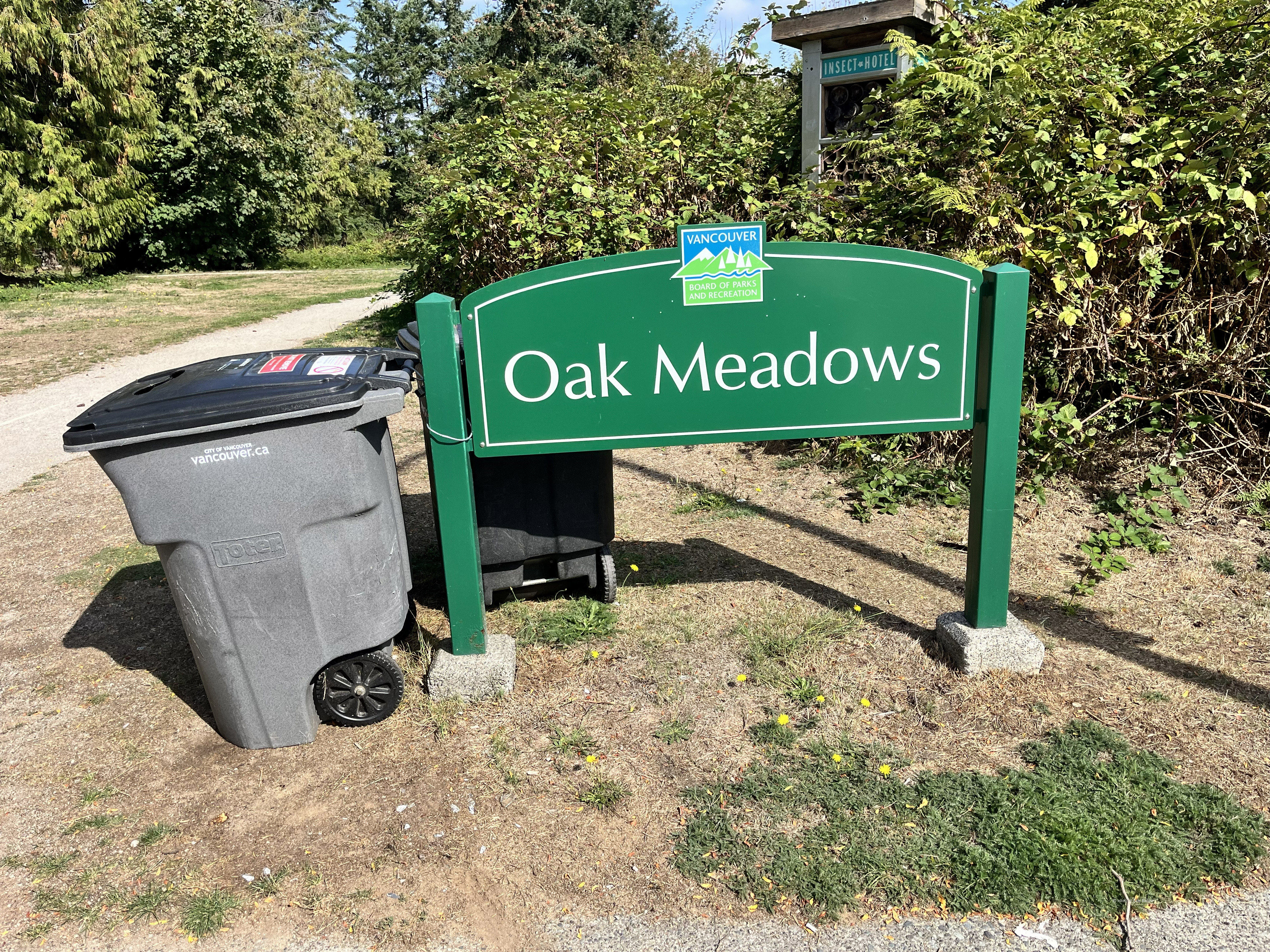
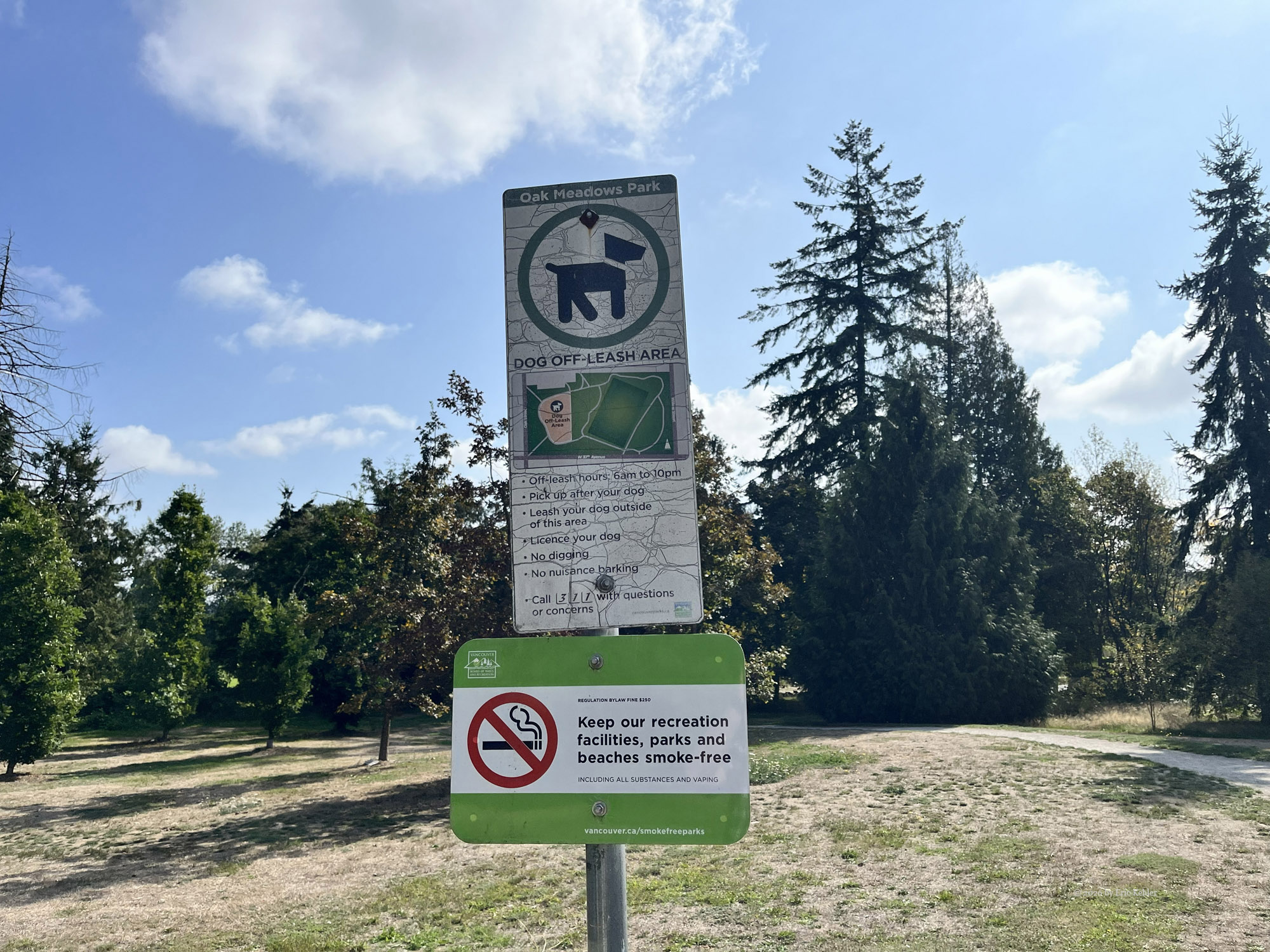
For years, Ralph and I had actively avoided the parks of Vancouver proper. Driven by a mutual aversion to gridlock, we always steered our wheels toward quieter, more distant horizons. But we had finally reached a tipping point. Every other listed park in the lower Fraser area had been thoroughly explored and activated. Only the final ten or so urban gems remained on my local checklist. Determined to see new corners of the world, I pushed past my hesitation, accepted our fate, and planned our venture into the city.
Ralph is still waiting for his cataract surgery, so the driving duties fell entirely to me. I picked him up at 10:30 AM under a bright morning sky, and we made our first ritual stop for McDonald’s coffee. While it isn’t my personal first choice, Ralph loves it, and the warm cups sat comfortably in the console as we made excellent time toward the city. Our luck stalled at the Oak Street Bridge, where construction had squeezed the lanes down to a slow crawl. Once we squeezed past the bottleneck, however, the remaining kilometers flowed quickly. Soon, I was pulling up against the curb across from the park entrance. Reaching into the back for my camera, a sudden wave of realization hit me: it was sitting safely on my counter at home. I’d have to rely on my iPhone today. It wasn’t a tragedy, but I certainly missed the vast flexibility and precise focus of my Nikon.
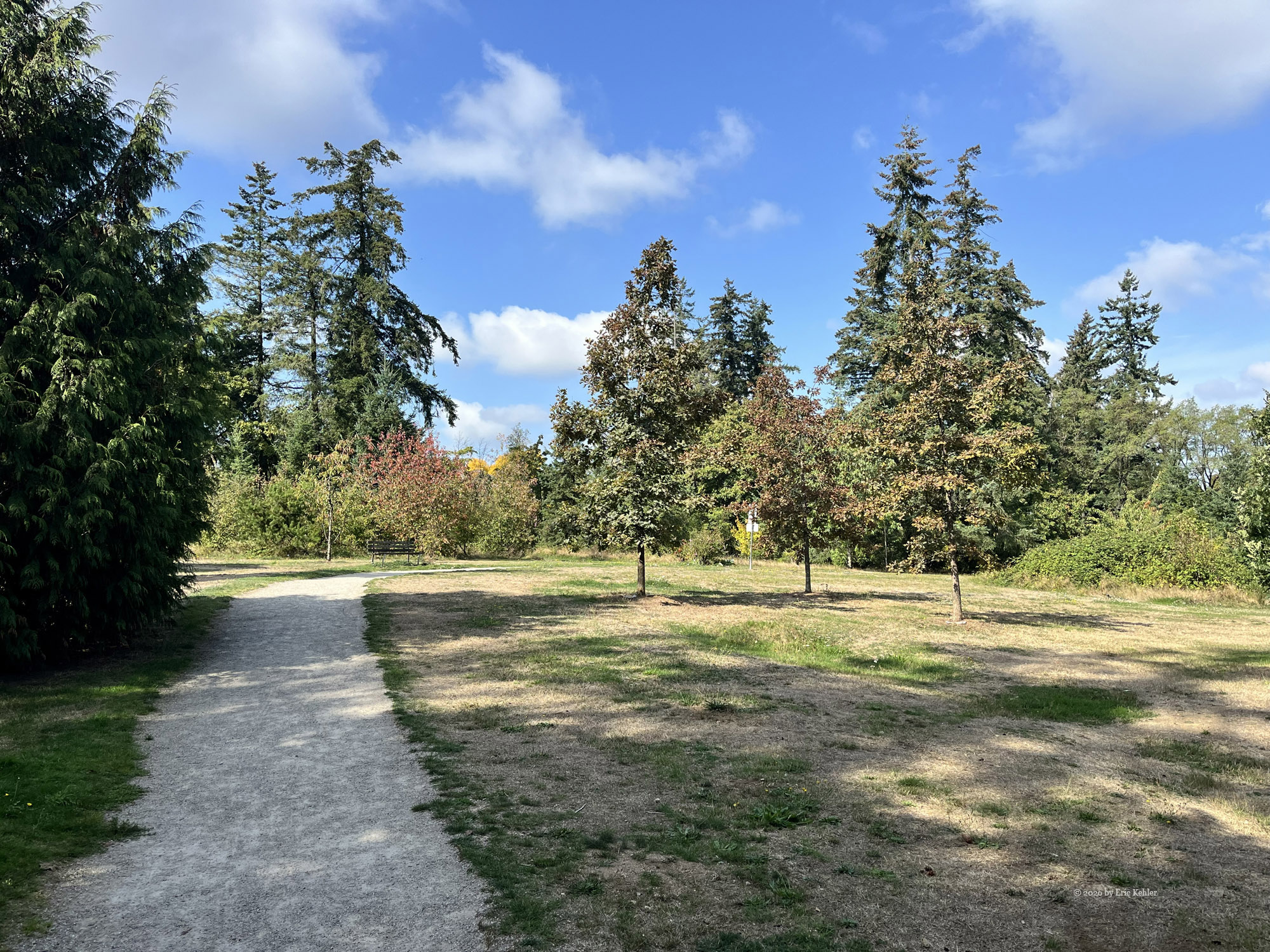
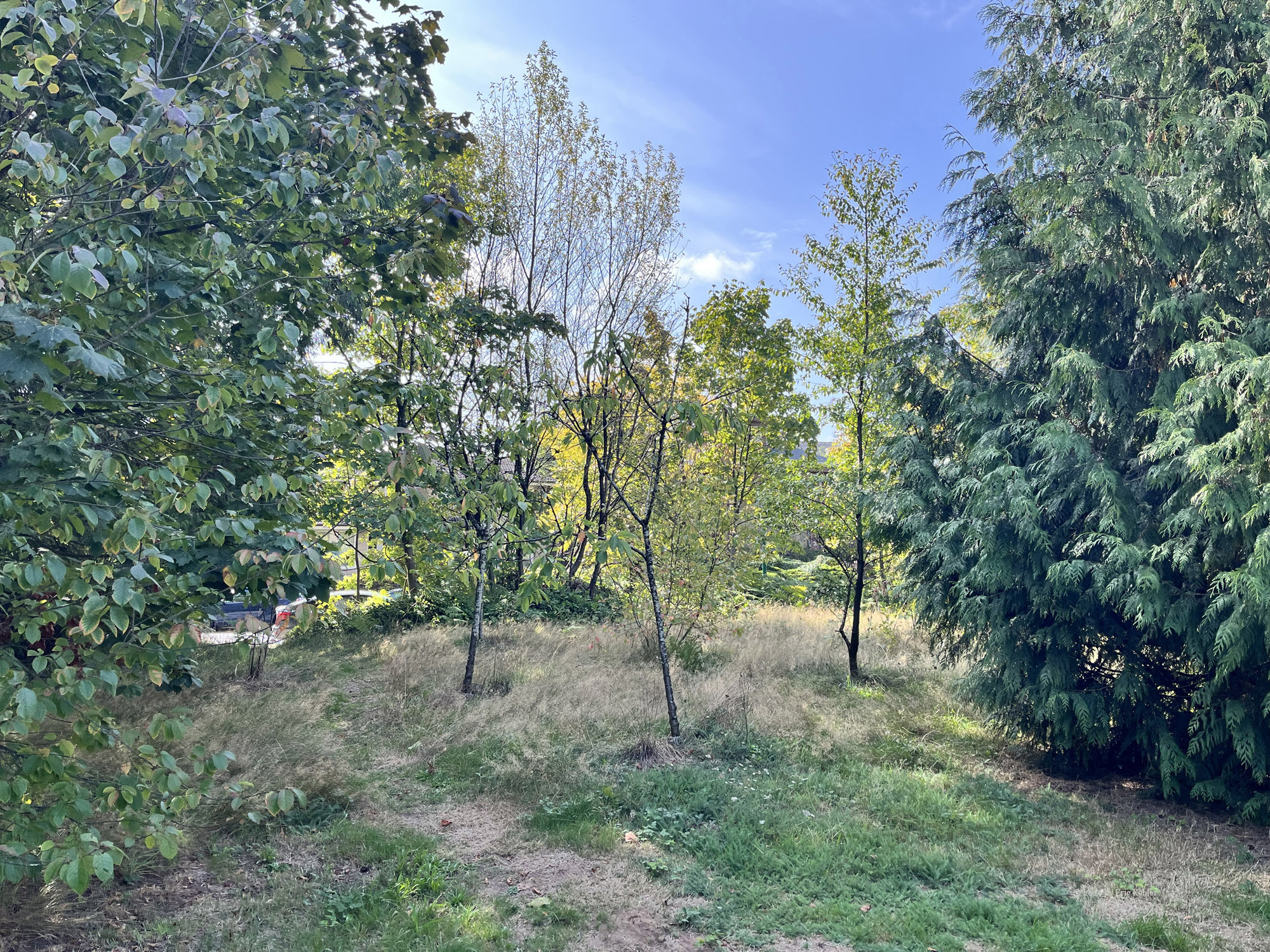
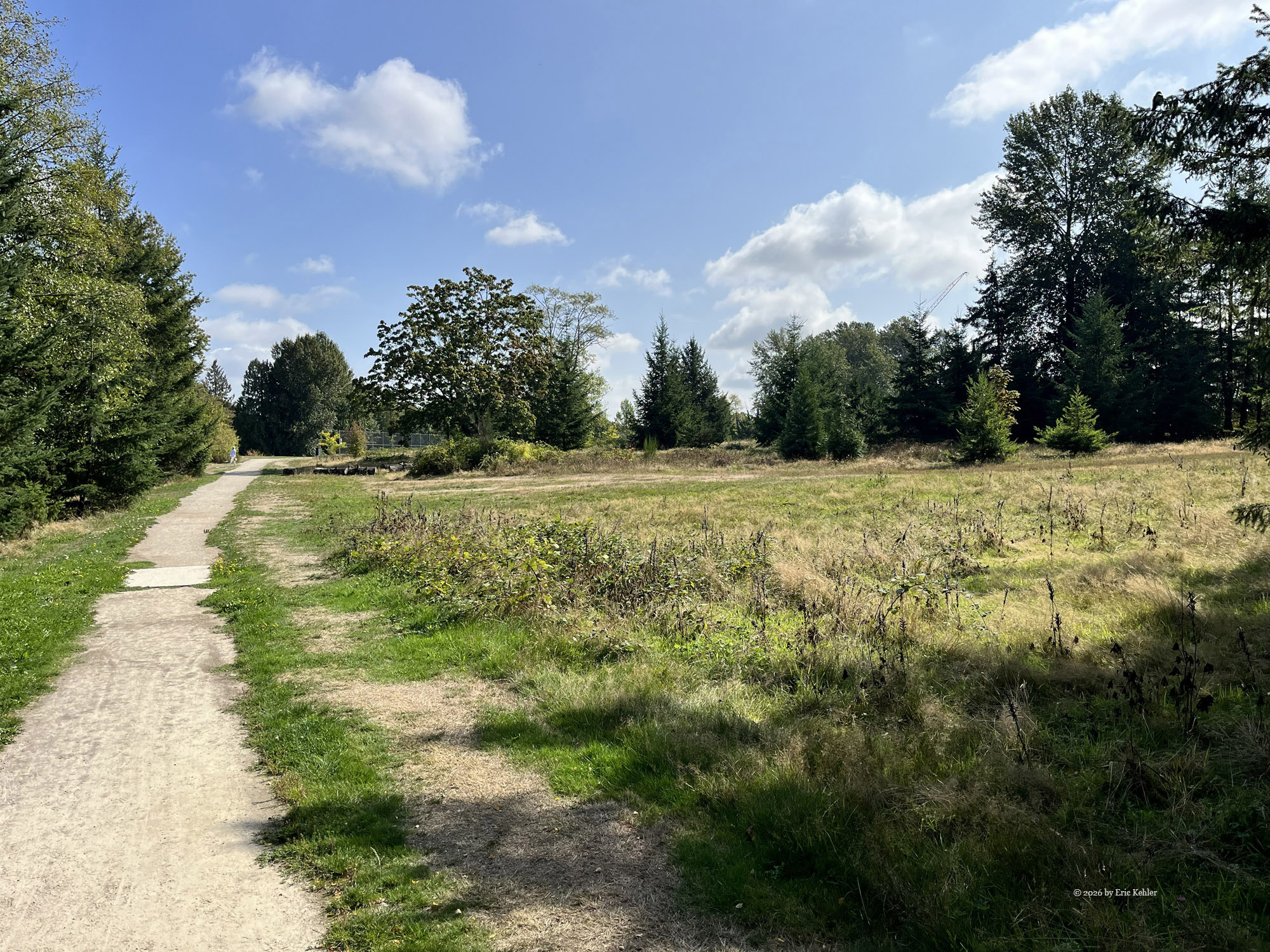
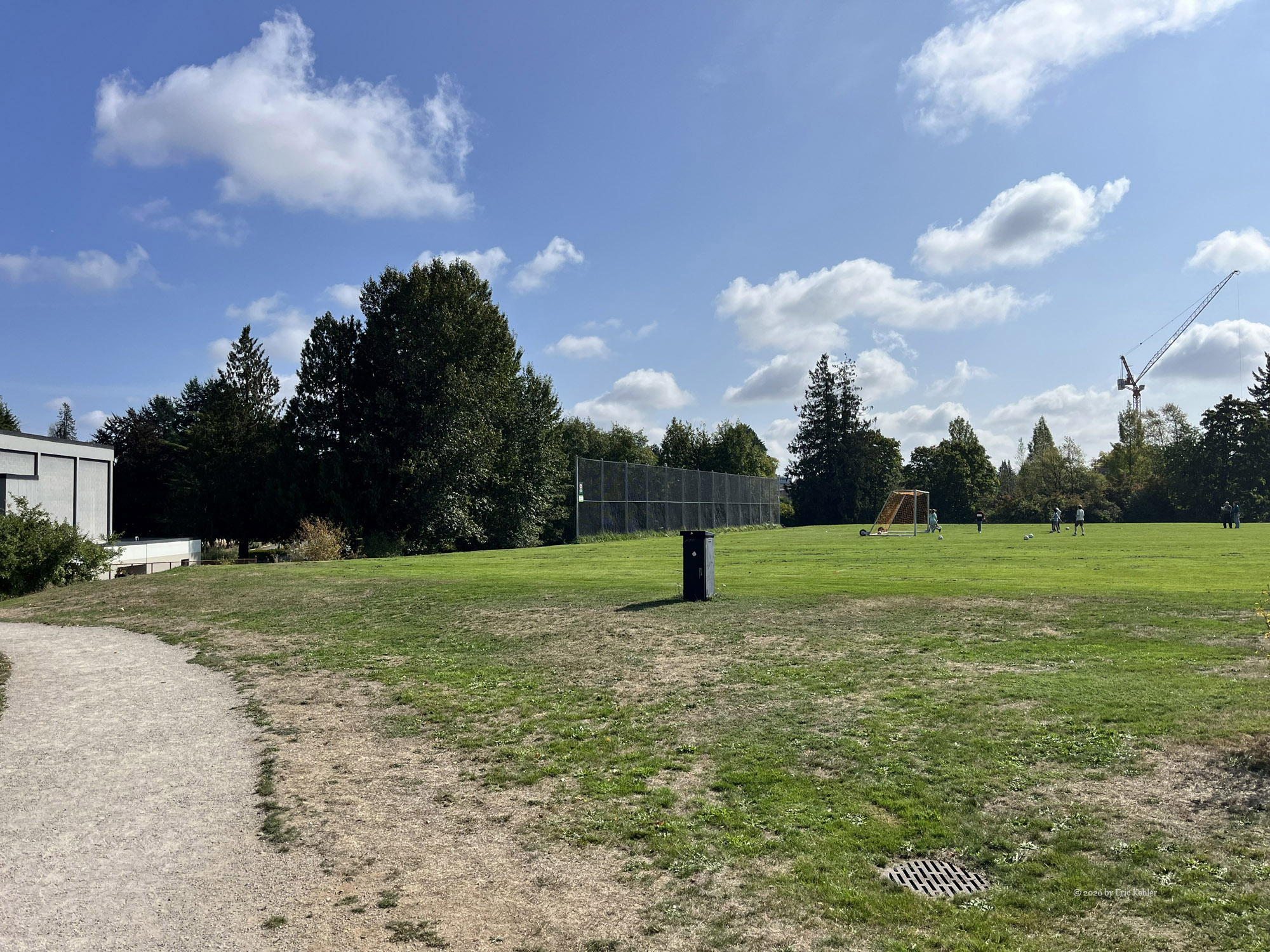
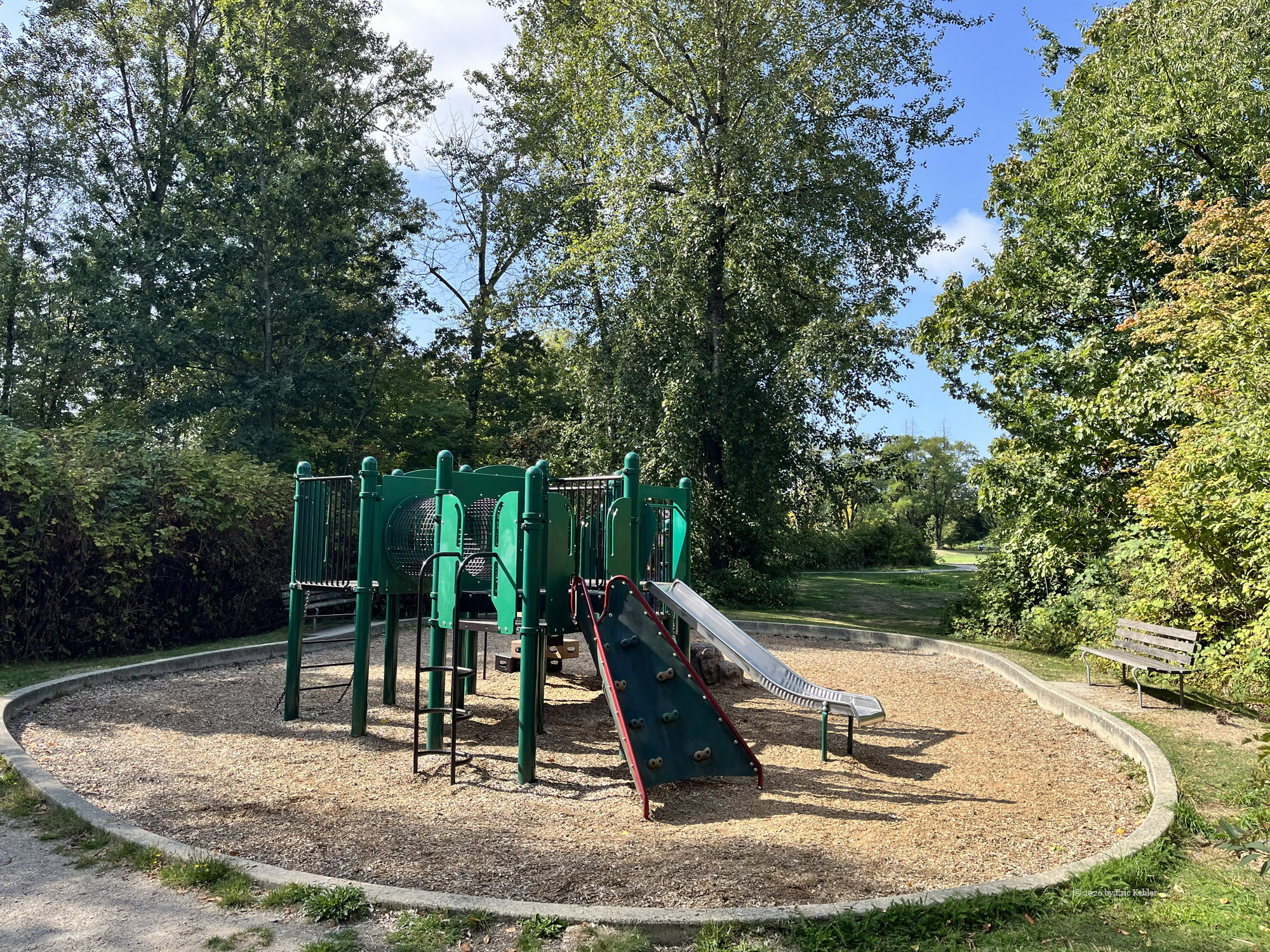
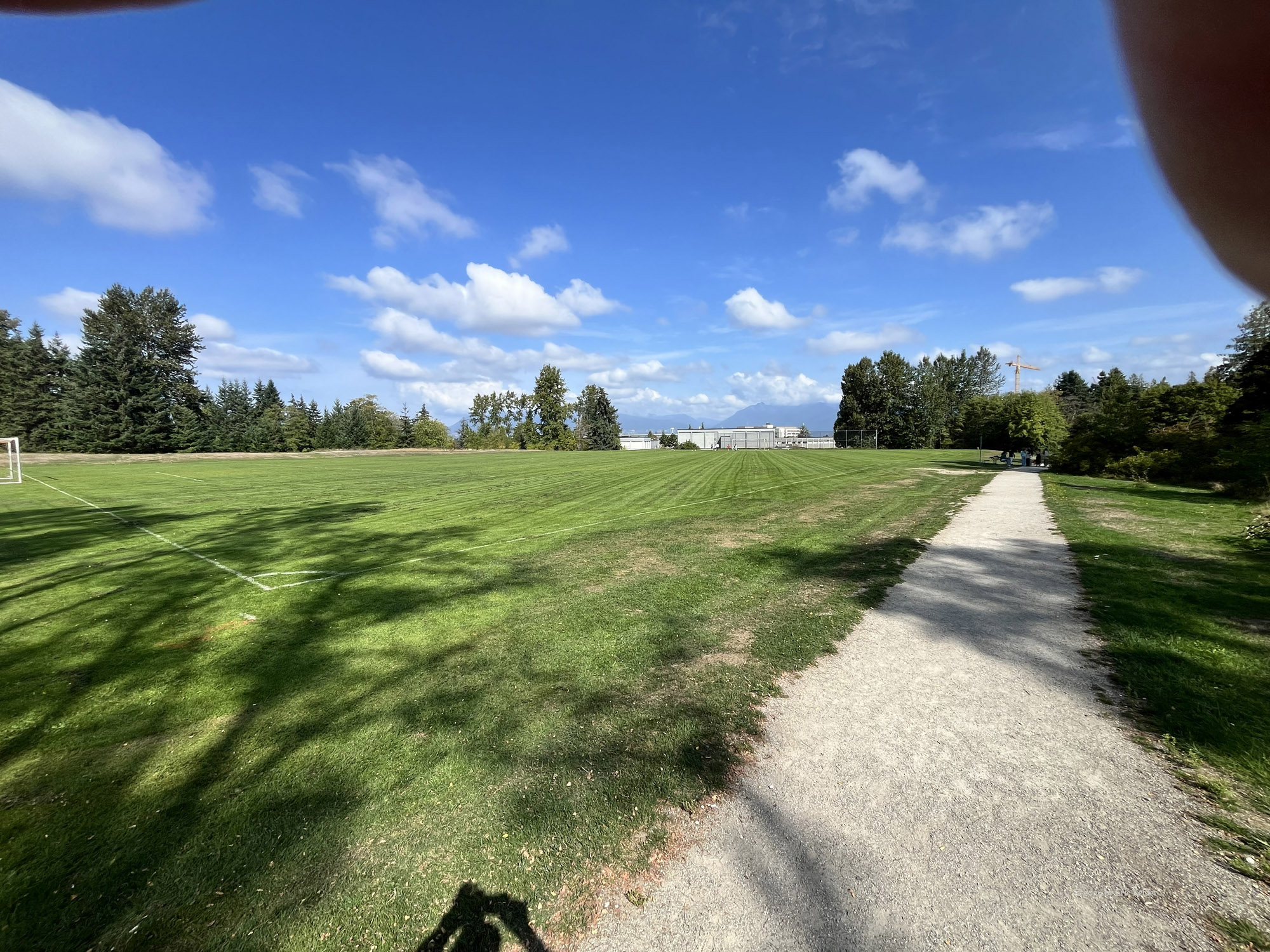
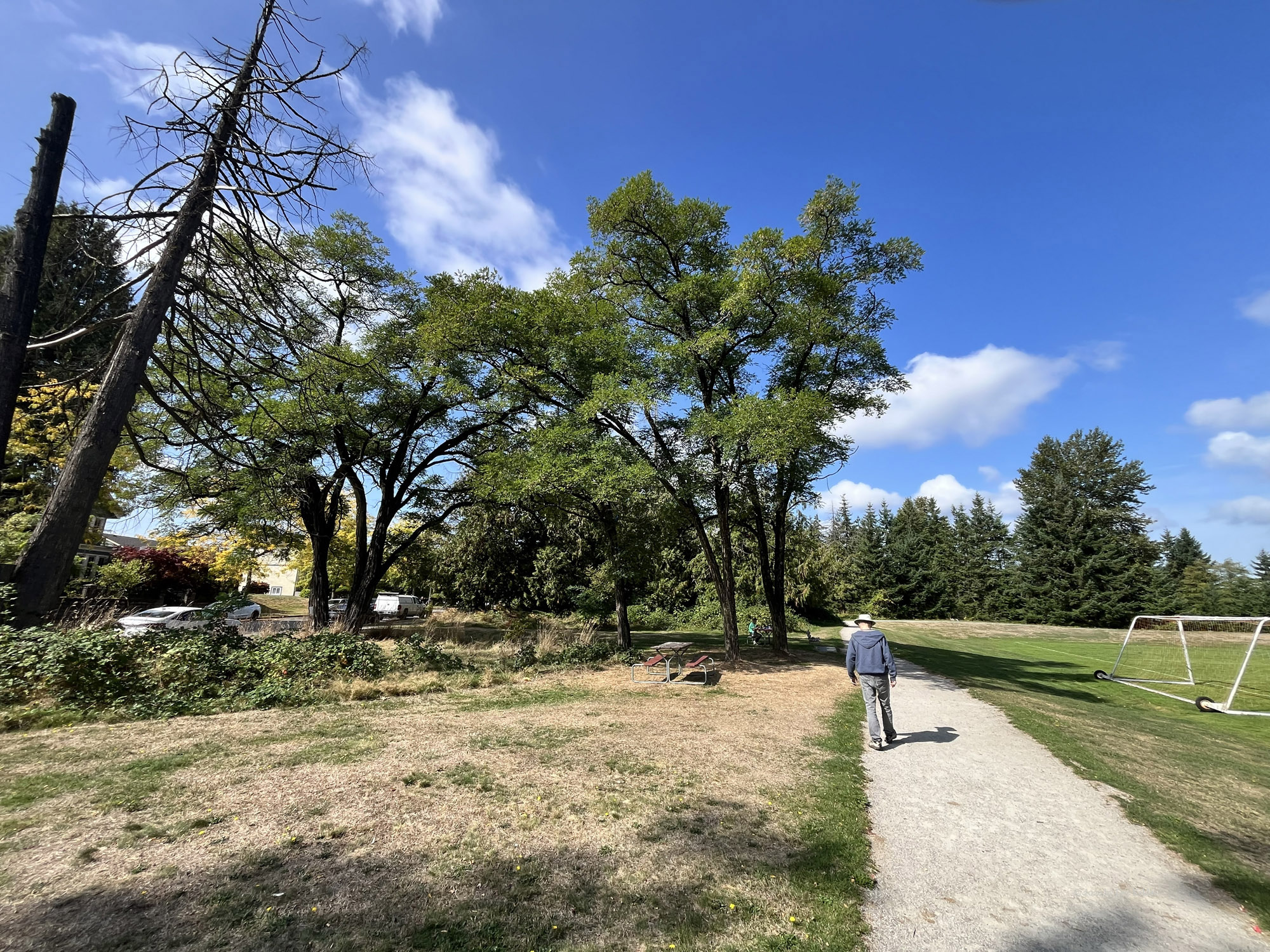
Adhering to our usual routine, we set out on foot to scout the terrain. The park boasted a lovely circular pathway tracing its perimeter. We followed it as the western edge meandered through gentle, sun-dappled lawns shaded by mature trees. To the east, the green expanse opened up into a sprawling soccer field and a vibrant kids' play area. Throughout our walk, small clusters of students wandered past, laughing and drifting across the fields—likely enjoying a lunch break or a free block between classes. By the time we completed the loop, we had both spotted our ideal operating locations. Scouting finished, we walked back to the car to shoulder our gear.
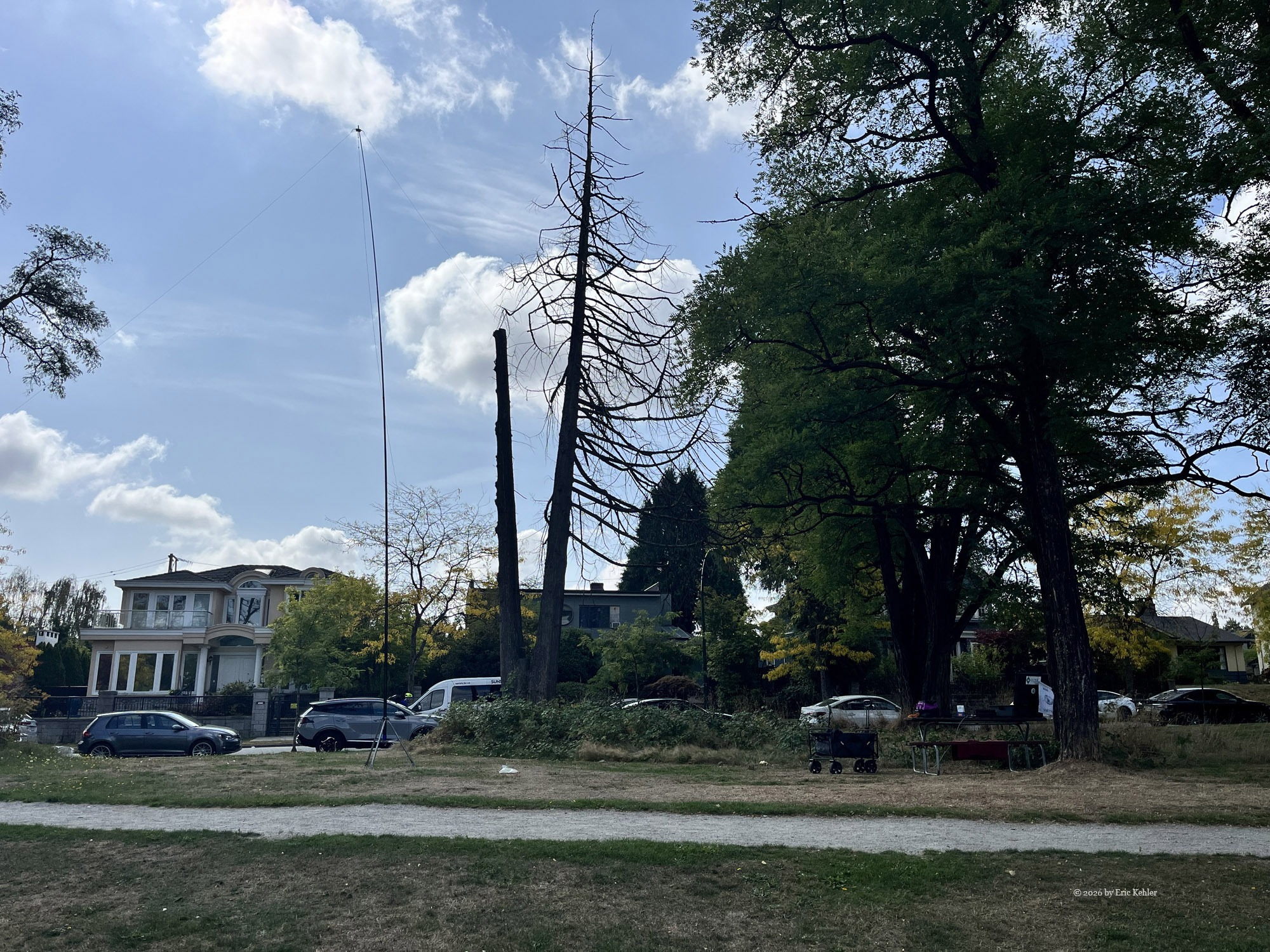
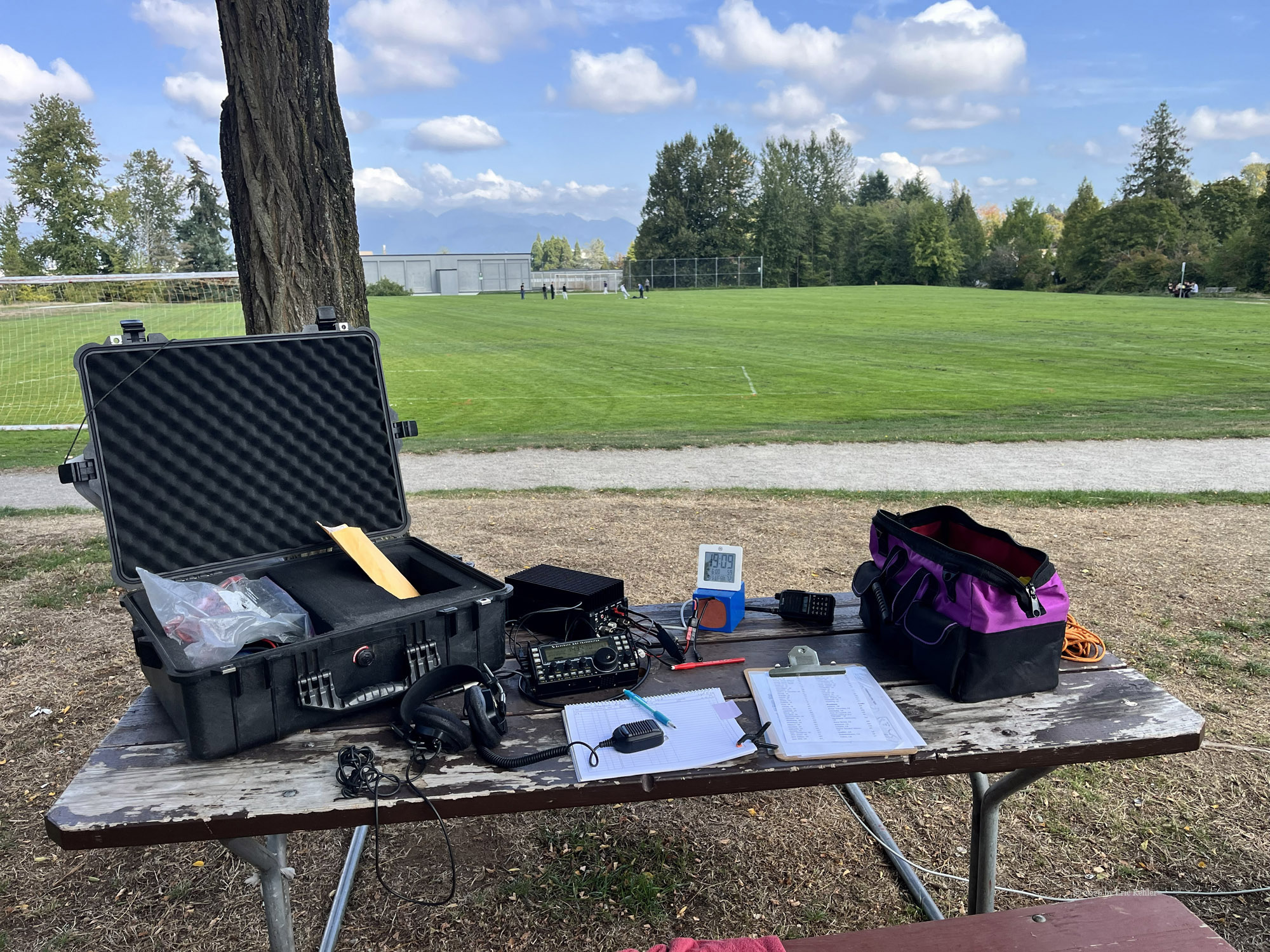
I claimed a flimsy looking steel picnic table directly across from the ball field, while Ralph headed in the opposite direction toward a secluded bench nestled in the grassy shade. The distance gave us excellent, clean separation. Within minutes, my station was assembled and I began scanning the bands. The airwaves were largely quiet; only the 20-meter band showed signs of life. Even then, a heavy S5.5 noise floor buzzed through my headphones, swallowing the weaker signals whole. My initial calls faded into the static unanswered. Suddenly, Ralph’s voice broke through my handheld radio to report that his station was up and running. Just like that, my first contact was securely in the log. With our mutual connection established, we moved to other bands before diving back into individual calling.
Shortly after signing off with Ralph, a text flashed on my phone from Jim, a fellow club member back home. We tried to bridge the distance on 20 meters, but the signals refused to cross. Shifting strategies, we dropped down to 40 meters. This time, our radio waves found each other through the ether, netting me a weak but successful connection and another entry in my logbook. Returning to 20 meters, the band suddenly seemed to bloom. I began picking up clearer signals, successfully working stations under the wide skies of Utah, Colorado, and California. Finding a clear frequency of my own, I settled in and began calling. A steady, satisfying stream of operators began responding from across the continent, stretching from the sunny coast of California to the plains of North Dakota, though the eastern seaboard remained completely silent today. By 1:10 PM, after a brisk 30 minutes of continuous calling, my logbook had swelled to 25 entries. Ralph, unfortunately, was facing much tougher conditions on his end, and he radioed to say it was time to pack up.
After stowing our wires, rigs, and antennas safely in the car, we grabbed our lunches and walked back to my sunny picnic table. We ate under a brilliant sky, enjoying the crisp, fresh air. By then, the students had cleared out, leaving the park peaceful and still, save for the occasional stroller drifting along the path. It had been a highly successful run for me, and even Ralph agreed that it felt wonderful just to be out in the elements, testing the limits of what the bands would give us. Not wanting to push our luck with the looming afternoon rush hour, we packed up our lunch wrappers and pointed the car toward home.
On the return trip, the navcom initially guided us straight back toward Oak Street, but suddenly instructed me to dive down a side street to bypass a heavily congested bottleneck. While I wasn't entirely certain the detour was necessary, experience has taught me that the live traffic data feeding its algorithms is far more accurate than my best guesses. Once we crossed the Oak Street Bridge, the screen directed us away from Highway 99 and onto Highway 91, neatly dodging the notorious delays at the tunnel. In the end, the navcom’s original ETA was incredibly precise—we actually pulled into the driveway a few minutes early. Trusting the automated route had paid off beautifully. With one more urban park successfully down, our eyes are already on the next trip out: a venture toward the Spanish Banks area, where an entire cluster of new parks is waiting to be activated.